A Quiet Corner of Main Street That Does a Lot of Heavy Lifting
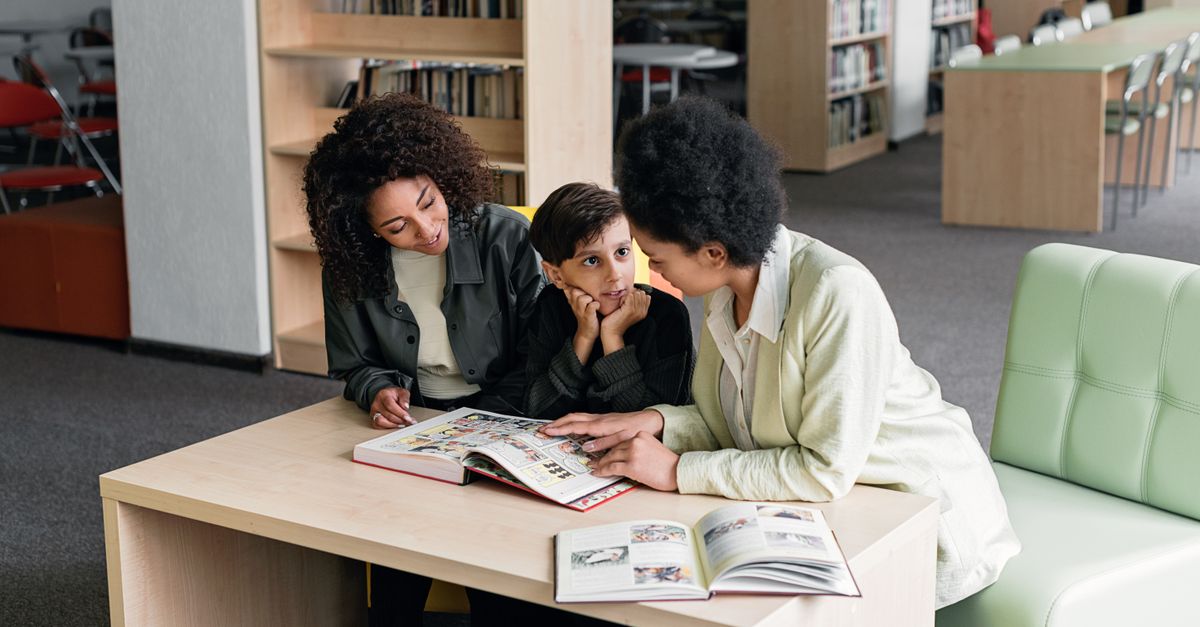
On any given weekday morning, the parking lot at 6800 Main St. fills up earlier than you might expect for a building that doesn’t sell coffee or open a drive-through window. Parents walk in with toddlers balanced on hips. A teenager slips through the door alone, backpack slung over one shoulder. An adult pauses at the entrance to check something on a phone before heading inside. The Colony Public Library has always been one of those civic anchors that residents tend to take for granted right up until the moment they need it — and this fall, the programming calendar is making a strong case that the library is worth a deliberate visit, not just an accidental one.
With September now underway, The Colony Public Library has rolled out a layered set of programs designed to serve residents from the very young to adults navigating specific social challenges. Taken together, they reflect a library that has grown well beyond its role as a place to borrow books — though it still does that, too, and rather well.
Story Time Is Back, and It Brings Songs With It
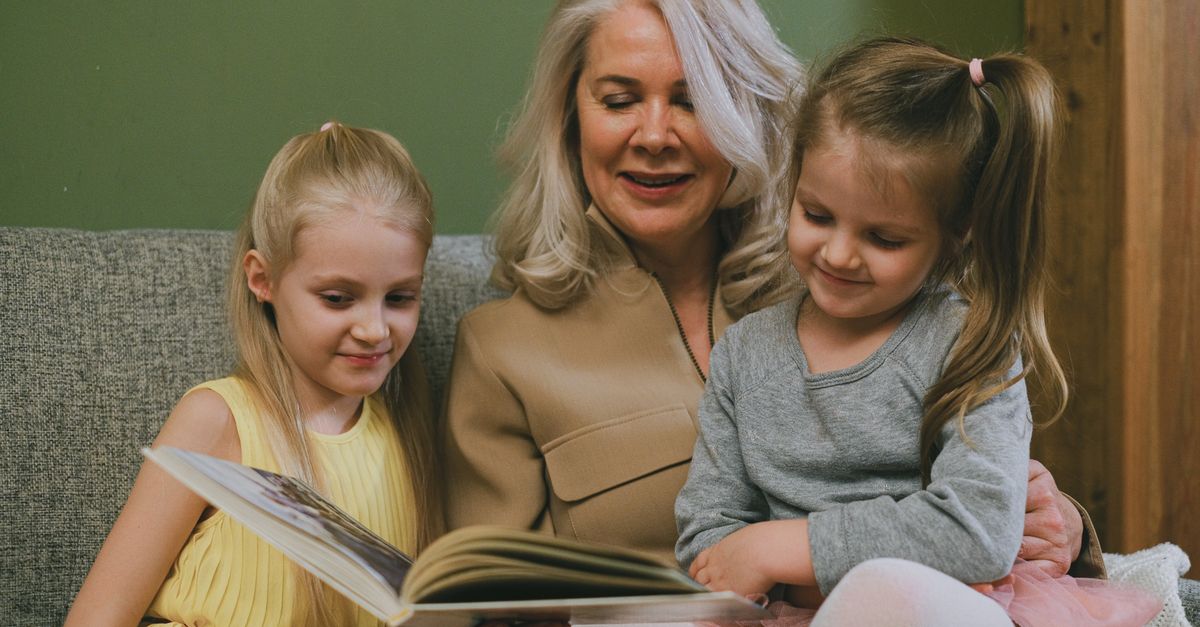
For families with young children, the return of Story Time each fall carries a rhythm of its own. The program, which takes place in the Library Multipurpose Room, uses stories, songs, and rhymes to engage children in early literacy learning — the kind of foundational work that research has long connected to stronger reading outcomes later in school. It is the sort of program that can feel routine to parents who have been bringing kids for years, but for a family new to The Colony or new to the library system entirely, it is often a first introduction to what a public library can be in a child’s daily life.
This fall also brings back Music and Movement, a musical story time open to all ages. The format is deliberately participatory: participants dance, sing, play instruments, and read stories together. It does not ask children to sit still and absorb. It asks them to engage, respond, and contribute — which, for a certain age group, is precisely what learning looks like. The Multipurpose Room, which has seen its share of programming over the years, takes on a different energy when a group of three-year-olds is working through a rhythm together.
Both programs speak to a broader philosophy in public library programming: that early engagement with language, music, and story shapes how children eventually approach reading independently. For The Colony families who already know these programs, the fall restart is a return to routine. For those discovering them for the first time, they are worth knowing about.
Making Something From Nothing: The Creature Creator Craft Program
Not every library program needs a literary justification, and the Creature Creator series is honest about that in the best way. Running throughout September as a come-and-go offering in the Multipurpose Room, the program invites participants to make their own stuffed animals, pet rocks, pom pom pets, and other handmade companions. The designation “creature creator” is part of the fun — it frames the activity as imaginative and open-ended rather than prescriptive.
Come-and-go formats matter more than they might initially seem. For busy families, the ability to drop in without holding a reservation or arriving precisely on time removes a logistical barrier that can otherwise keep people from participating at all. A parent who has 45 minutes between school pickup and a late-afternoon obligation can bring a child in, let them spend time at a craft station, and leave without the anxiety of having disrupted a structured session. The library has clearly thought about the friction points that keep community members from walking through the door.
There is also something worth noting about the nature of making physical objects. In a period when children’s leisure time is heavily mediated by screens, a program that asks a kid to stuff a small animal or paint a rock and take it home as something they built with their own hands offers a different kind of satisfaction. The Colony’s library is not making a grand statement about technology by offering this. It is simply giving children an option that feels increasingly uncommon.
A Room That Holds Space for Adults, Too
Perhaps the most quietly significant addition to the September lineup is the Social Safety and Support Group, a structured peer group meeting in the Library Conference Room for adults with neurodivergence and social struggles. The program is facilitated, meaning there is a structure and a guide rather than an open-ended drop-in conversation, and it is designed to provide help in a setting that feels safe and predictable.
Public libraries have, over the past decade, increasingly become spaces that serve the full spectrum of community need — including adults who may not find easy points of entry elsewhere. For residents of The Colony who are neurodivergent or who experience significant social difficulty, structured programming of this kind can be genuinely hard to find outside of clinical settings, which carry their own financial and logistical barriers. A facilitated group at a public library does not replace professional support, but it can complement it, and for some participants it may be the only structured social engagement available to them on a regular basis.
That a city library in a suburban North Texas community is hosting this kind of program in the fall of 2026 reflects a real shift in how libraries understand their mandate. The old model — books, periodicals, a computer lab — served a version of community need. The current model asks a harder question: who in this community is not being reached, and what would bring them in?
Why September Is the Right Time to Pay Attention
Fall is when routines solidify. School-year schedules click into place, and families begin sorting out what their weeks will look like for the next several months. It is the moment when a Tuesday morning story time or a monthly craft drop-in can move from “something we might try” to “something we actually do.” The Colony Public Library’s September calendar is well-positioned to catch residents at exactly that inflection point.
The library sits at 6800 Main St., close enough to central Colony residential corridors that it is genuinely accessible rather than theoretically so. It draws from a city that has grown substantially over the past decade, bringing in families from a wide range of backgrounds with children at many different stages. The programming range this fall — from infant-adjacent musical story time to adult peer support — reflects that diversity of need.
For longtime Colony residents, none of this may come as a surprise. The library has been building toward a fuller community role for years, and the fall 2026 lineup is a continuation rather than a departure. But for newer arrivals — and The Colony has had no shortage of those — the programming calendar is worth a look. The building at the corner of Main and whatever your route happens to be is doing more than its exterior suggests.
Details on specific session dates and times for all September programs are available directly through The Colony Public Library. Capacity for some sessions may be limited, and schedules can shift, so checking ahead before a first visit is worthwhile.